
Under the Electrical Safety Standards in the Private Rented Sector (England) Regulations 2020, landlords must: – Ensure every electrical installation is inspected and tested at least every five years – Provide a copy of the report to new tenants before they move in – Give existing tenants a copy within 28 days of the inspection –
Supply the local authority with a copy within 7 days if requested – Carry out any remedial work identified within 28 days (or sooner, if specified)

Why is 2026 Different?
Five years ago, a crucial change in electrical safety regulations reshaped the
responsibilities of landlords in England. As of 1st July 2020, the government made it
mandatory for all rented properties to have a valid Electrical Installation Condition
Report (EICR) in place. This regulation came into full effect for existing tenancies on
1st April 2021, and it now creates two major deadlines: the current wave in 2025
and the much larger renewal peak in 2026.
If you’re a landlord whose property received an EICR between July 2020 and April
2021, your next inspection is due — and the timing matters more than ever.
What Is an EICR?
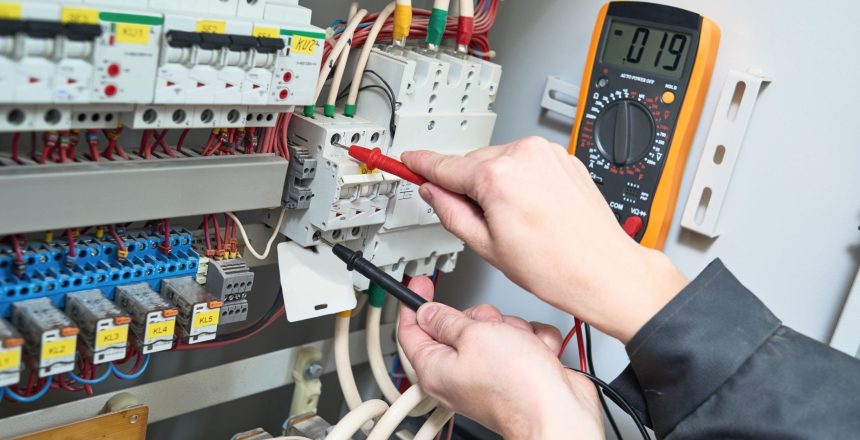
An Electrical Installation Condition Report (EICR) is an indepth inspection carried out by a qualified electrician to assess the safety and condition of a property’s electrical systems. The report highlights: – Whether the electrical installation is safe for continued use – Any immediate hazards or defects – Recommendations for improvements (coded observations) – Whether the property is satisfactory or unsatisfactory
Look for Signs of Damage or Wear
During your viewing, take a moment to look for visible signs of damage. Check for cracked outlets, frayed wires, or exposed inner wire colours due to the outer sheath being cut too short. Also look for burnt sockets. These could indicate underlying issues that may be costly to fix. If you’re unsure, it’s always a good idea to request a professional inspection from a qualified electrician: an EICR.
The 2020 Regulation: A Quick Recap
Why 2026 Is the Most Important Deadline
The year 2026 marks the first full renewal cycle for all EICRs carried out after the introduction of the 2020 regulations. Because the rules became fully enforceable for existing tenancies on 1st April 2021, a huge number of landlords commissioned their first EICR between mid2020 and early 2021.
This means:
– Every EICR completed in a rented property in 2021 expires in 2026
– Many EICRs completed in rented properties in late 2020 also fall into the 2026 renewal window
– The majority of the private rented sector will need inspections at the same time
– Local authorities are expected to increase enforcement during this peak
– Demand for electricians will be at its highest since the regulations began
– Penalties for noncompliance rise to £40,000 from late 2025
2026 is therefore the largest and most significant renewal wave to date. Landlords who wait risk long delays, limited availability, and higher costs.
Why 2025 Was Still a Critical Year
While 2026 is the major national renewal peak, 2025 created the first pressure point. Any property that received its initial EICR in July 2020 reached its five year expiry in July 2025. This meant:
– The earliest group of landlords had to renew in 2025
– Electricians began experiencing increased demand
– Local authorities started monitoring renewal compliance more closely
– Landlords managing multiple properties needed to stagger inspections to avoid a 2026 bottleneck
Failing to renew an EICR in 2025 carried the same risks as any other year: – Fines up to £30,000 per breach – Issues with insurance validity – Problems when selling or remortgaging – Potential legal liability in the event of an accident 2025 was effectively the warmup — and 2026 is the full-scale deadline.
Who Can Carry Out an EICR?
Only a qualified and competent electrician should conduct an EICR. You can check registration with: – NICEIC (National Inspection Council for Electrical Installation Contracting) – NAPIT (National Association of Professional Inspectors and Testers)
Best Practices for Landlords
To stay compliant and protect your tenants and property: – Book early, especially ahead of the 2026 peak – Set calendar reminders for renewals every five years from the inspection date – Keep digital and hard copies of all reports and remedial documentation – Follow up on any unsatisfactory reports immediately with qualified remedial work
The Bigger Picture: Safety and Trust
While regulation compliance is essential, the real value of an EICR lies in protecting lives and properties. Faulty wiring, overloaded circuits, and aging installations are all common causes of house fires and accidents — and can go unnoticed for years.
Tenants today are more informed and expect well maintained, safe homes. Being proactive with electrical safety builds trust, reduces risk, and upholds your
reputation as a responsible landlord.
In Summary
If your EICR was carried out between 1st July 2020 and 1st April 2021, renewal is now due — and the timing is crucial. 2025 marked the first wave of expiries, but 2026 is the major national deadline, with the highest demand, the largest number of renewals, and increased penalties.
Booking early ensures compliance, protects your tenants, and safeguards your investment.
Electrical safety isn’t just a regulation — it’s a responsibility.
Contact Electric 4U today at 0208 004 4581 or email electrics@electric4u.org to discuss your electrical needs with an approved NICEIC installer.